How Long Can Scaffolding Stay Up? A Guide for Sydney Homeowners & Builders
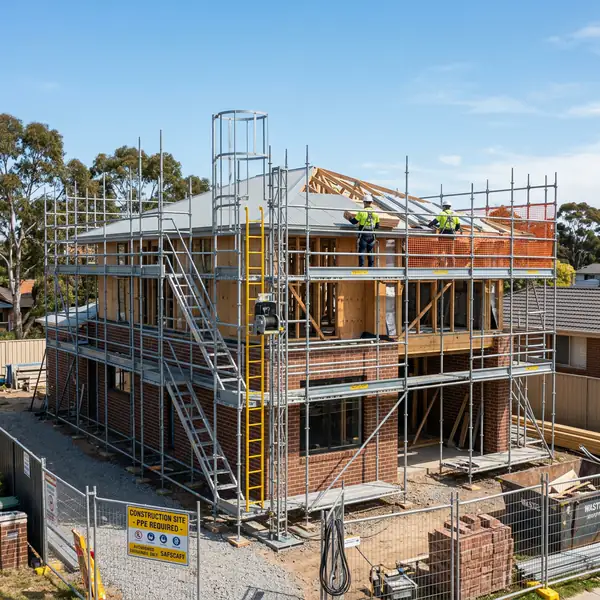
How Long Can Scaffolding Stay Up? A Guide for Sydney Homeowners & Builders
If you are planning a home renovation, roof replacement, painting project or other construction work, you may be wondering: how long can scaffolding stay up?
There is no single fixed period that applies to every scaffolding project. The required duration depends on the type of work being completed, the scaffold system being used, site conditions, weather, access requirements and how quickly the project progresses.
For homeowners and builders in Sydney, understanding the expected scaffold hire period can help with project planning, budgeting and coordinating different trades.
In this guide, we explain what determines how long residential scaffolding may remain in place and what you should consider before arranging scaffold hire. For a comprehensive overview of planning residential setups, refer to our complete homeowner's guide to residential scaffolding.
How Long Does Scaffolding Usually Stay Up?
Scaffolding can remain in place for as long as it is required for the construction or maintenance work, provided it continues to be properly managed, maintained and suitable for the site conditions.
A small residential project may only require scaffolding for several days or a couple of weeks. Larger renovations, roof replacements, extensions or multi-stage construction projects may require scaffolding for considerably longer.
The important point is that scaffolding should not simply remain on a property indefinitely without appropriate management. The scaffold needs to remain suitable for its intended use throughout the project.
What Determines How Long Scaffolding Stays Up?
Several factors can affect the duration of a scaffolding hire:
1. Type of Construction Work
The first consideration is the work being performed. For example, scaffolding may be required for:
- Roof repairs
- Roof replacement
- Roof restoration
- Gutter work
- External painting
- Brickwork
- Rendering
- Home extensions
- Renovations
- New residential construction
- Work at height
- Access for multiple trades
A simple roof repair may require a shorter scaffold hire period than a major home extension. For projects requiring coordinated access for trades at different heights, specialized builder and roofer access solutions are often planned.
2. Size and Complexity of the Property
The size and design of the property can also affect how long installation and dismantling take.
A straightforward single-storey home may require a relatively simple scaffolding arrangement. A double-storey home, a property with difficult access or a project involving several elevations may require a more extensive scaffold system.
Planning the scaffold around the actual work area can help tradespeople access the building efficiently while reducing unnecessary obstruction around the property.
3. Project Delays
Construction projects do not always progress according to the original schedule. Weather, material availability, changes to the scope of work and delays between trades can all extend the required scaffolding period.
For example, if roof repairs are delayed because of unsuitable weather, the scaffolding may need to remain available until the roofing work can be completed.
This is one reason it is useful to discuss the expected project duration with your scaffolding provider before arranging the hire.
Can Scaffolding Stay Up for Several Weeks or Months?
Yes. Depending on the project, scaffolding may be required for several weeks or longer.
There is not a universal rule saying that residential scaffolding must automatically be removed after a particular number of days. Instead, the scaffold needs to remain appropriate for its intended purpose and be properly managed throughout the period it is installed.
For longer projects, regular checks and maintenance are particularly important because the scaffold is exposed to changing site and weather conditions.
For shorter-duration maintenance or minor exterior painting, hiring a mobile scaffold may be more practical than fixed scaffolding. Learn more in our comparison of mobile scaffold hire vs fixed scaffolding.
Why Regular Scaffold Checks Are Important
Once scaffolding has been installed, its condition should continue to be monitored.
Scaffolding can be affected by:
- Strong winds
- Severe weather
- Impact from site activities
- Unauthorised alterations
- Changes to the building
- Changes to the surrounding work area
- General wear and damage
If something changes on site, the scaffold may need to be checked to ensure it remains suitable for use. This is particularly important on longer-running construction projects.
What Happens After Bad Weather?
Sydney weather can change quickly, particularly during periods of strong winds and storms. Following significant weather or an event that could affect the scaffold, the scaffold should be checked as appropriate before work resumes.
Homeowners and builders should also avoid modifying, moving or removing scaffold components themselves. If changes are required, speak with the scaffolding contractor responsible for the installation.
Should Scaffolding Be Removed as Soon as the Work Is Finished?
Generally, once the scaffolding is no longer required, it can be scheduled for dismantling. Leaving scaffolding in place after the work has finished may create unnecessary costs and can restrict access around the property.
For example, once roof repairs, painting or other external work has been completed, the builder or homeowner can coordinate with the scaffolding provider to arrange dismantling.
However, if another trade still requires safe access, removing the scaffold too early could create the need for another installation later. Good project coordination ensures that professional scaffold erect and dismantle teams can safely pack down the structure without leaving the property exposed or creating delays.
How Much Does Scaffold Hire Cost?
Scaffolding hire pricing depends on several factors rather than simply the number of days the scaffold remains on site. Factors may include:
- Size of the scaffold
- Height of the building
- Length of the scaffold
- Site access
- Scaffold configuration
- Installation requirements
- Dismantling requirements
- Project duration
- Additional access requirements
For a Sydney residential project, it is best to provide your scaffolding contractor with information about the property and planned work so they can determine the appropriate solution.
You can also read our guide on How Much Does Residential Scaffolding Cost in Sydney? for more information about the factors that influence residential scaffolding costs.
Can Scaffolding Stay Up While Different Trades Work on the Property?
Yes. One of the major benefits of properly planned residential scaffolding is that it can provide access for different stages of a project.
For example, a renovation may involve:
- Roofing contractors
- Bricklayers
- Painters
- Renderers
- Gutter contractors
- Other trades working at height
Rather than installing separate access equipment for every stage, a suitable scaffold arrangement may be planned around the overall project requirements. The exact arrangement should be determined according to the work being undertaken and the site.
What About Roof Access Scaffolding?
Roof work is one of the common reasons homeowners and builders arrange scaffolding.
Roof access scaffolding can provide tradespeople with a dedicated access and working area when working around roofs and elevated sections of a property. The duration will depend on how long the roofing work takes.
For example, a straightforward roof repair may require a shorter period than a complete roof replacement or major restoration project.
If you are unsure whether scaffolding is required for your roof project, read our guide: Do I Need Scaffolding for Roof Repairs in Sydney?
For perimeter fall prevention around rooflines, installing compliant edge protection is often essential. Read our guide on edge protection requirements in NSW to learn more about fall prevention rules.
What If the Project Takes Longer Than Expected?
This is common in construction. If your original project schedule changes, contact your scaffolding provider as early as possible.
Your provider can assess whether the existing hire arrangement needs to be extended and whether the scaffold remains suitable for the project. Do not assume that an existing scaffold can simply be altered or extended by someone who is not authorised or appropriately qualified to do so.
When Should You Plan Your Scaffolding Hire?
It is best to organise scaffolding during the planning stage of your project rather than waiting until work is about to start.
Before arranging scaffolding, consider:
- What work will be carried out?
- How high will tradespeople need to work?
- How long is the project expected to take?
- Will multiple trades need access?
- Does the property have restricted access?
- Will the scaffold need to remain during different stages of the project?
- Will weather potentially affect the project schedule?
Providing your scaffolding company with accurate information can help them understand the access requirements and expected hire period.
Scaffolding for Home Renovations
Home renovations often involve several different stages of work. Scaffolding can be useful where tradespeople need safe access to elevated areas around the property.
Depending on the renovation, scaffolding may be used for:
- Roof work
- Painting
- Rendering
- Brickwork
- Extensions
- Gutter replacement
- External maintenance
If you are planning a renovation, our Scaffolding Safety Checklist for Home Renovations in Sydney provides additional information to consider before work begins.
Choosing a Scaffolding Company for a Longer Project
If your project is expected to run for several weeks or months, choosing an experienced scaffolding provider becomes particularly important.
Consider whether the company:
- Provides residential scaffolding
- Understands Sydney residential construction environments
- Can accommodate different project stages
- Provides installation and dismantling
- Communicates clearly about hire periods
- Can respond when project requirements change
- Understands relevant safety requirements
You can also read our guide on Choosing the Right Scaffolding Company in Western Sydney.
Plan Your Scaffolding Project With Tri Build Projects
Whether you are planning a roof replacement, renovation, painting project, extension or other residential construction work, understanding the required scaffolding period can help you plan your project more effectively.
Tri Build Projects provides residential scaffolding, roof access scaffolding, mobile scaffold hire, edge protection, scaffold erect and dismantle, builder and roofer access solutions and temporary fence hire across Sydney.
Frequently Asked Questions
How long can scaffolding stay up on a house?
There is no single standard duration for every residential project. Scaffolding can remain in place for as long as it is required, provided it remains suitable, properly managed and maintained for the conditions and intended use.
How long does residential scaffolding usually take?
The duration depends on the project. Small jobs may only need scaffolding for several days or weeks, while larger renovations and construction projects can require it for longer.
Can scaffolding stay up for months?
Yes, some construction projects require scaffolding for several months. Longer hire periods require appropriate ongoing management and checks to ensure the scaffold remains suitable.
Can I extend my scaffolding hire?
In many cases, a scaffolding hire period can be extended when the project takes longer than expected. Contact the scaffolding provider to discuss the revised project schedule and requirements.
Can I move or modify scaffolding myself?
No. Scaffolding should not be altered, removed or modified by unauthorised people. Contact the scaffolding contractor if changes are required.
Does bad weather affect scaffolding?
Weather can affect construction sites and scaffolding. Strong winds, storms or other significant weather events may require the scaffold to be checked before work resumes.
Do roof repairs require scaffolding?
The access requirements depend on the particular roof, property and work being undertaken. Scaffolding can provide valuable access for roof repairs, replacement and restoration projects where work is required at height.
How much does scaffolding hire cost in Sydney?
The cost depends on factors including the size and height of the scaffold, configuration, access, installation, dismantling and project duration. A site-specific quote is the best way to determine the expected cost.
Need professional scaffolding or site access solutions?
Contact Tri Build Projects today for a FREE site inspection and no-obligation quote.