Scaffolding for Home Extensions in Sydney: What Homeowners Need to Know
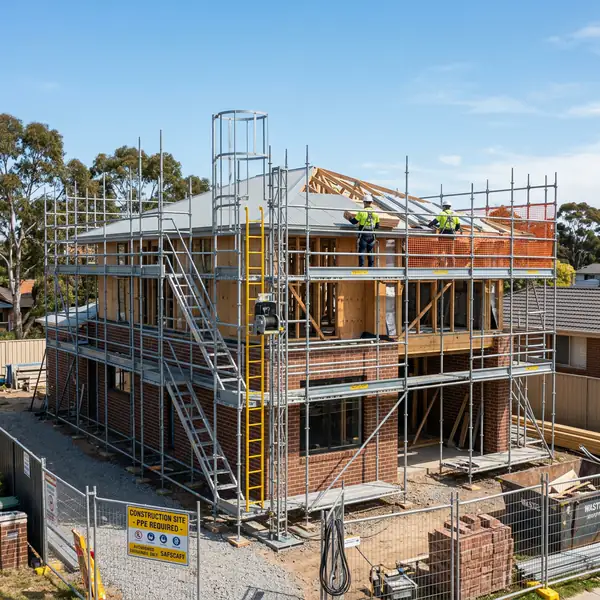
Planning a home extension in Sydney can involve several stages, from structural work and brickwork through to roofing, rendering, painting and finishing. Depending on the design and construction work involved, temporary access and working platforms may be required to help trades work safely and efficiently at height.
Scaffolding can provide a stable working platform and access around areas of a home that are difficult to reach from the ground. For homeowners, understanding when scaffolding may be needed, how it fits into an extension project and what to discuss with a scaffolding provider can make the planning process easier. For a broader look at residential requirements and safety standards, see our complete homeowner's guide to residential scaffolding.
This guide explains the role of scaffolding during home extensions and what Sydney homeowners should consider before construction begins.
Do Home Extensions Need Scaffolding?
Not every home extension will require the same type or amount of scaffolding. The requirements can depend on the height of the extension, the areas being constructed, the trades involved and the work that needs to be completed at height.
For example, a ground-floor extension may have different access requirements from a second-storey addition.
Scaffolding may be considered where builders and other trades need access to elevated work areas for tasks such as:
- Structural framing
- Brickwork and masonry
- Roofing
- Fascia and gutter work
- Cladding and rendering
- Painting and finishing
- Other construction activities requiring elevated access
The appropriate access arrangement should be determined according to the specific project and the work being carried out.
When Is Scaffolding Used During a Home Extension?
Scaffolding can be useful at different stages of an extension project.
1. Structural Framing
During framing and structural work, trades may need access to elevated sections of the new extension. A suitable scaffold arrangement can provide a working platform around the areas where access is required.
2. Brickwork and Masonry
Bricklayers may need continuous access along sections of the extension. Scaffolding can provide elevated working areas and allow materials and tools to be positioned closer to the work area.
3. Roofing
Roof construction and associated work can involve working at height. Scaffolding can provide access around roof-level work areas and may be coordinated with other access or edge protection requirements. When working across upper-level gutters and valleys, dedicated roof access scaffolding helps trades move safely between levels.
4. Rendering and Cladding
Once the structure is enclosed, external trades may need access to upper sections of walls. Scaffolding can provide working platforms along the relevant elevations.
5. Painting and Finishing
Scaffolding can also be useful during external painting and finishing work where elevated areas need to be accessed safely.
The exact scaffold configuration and duration will depend on the project requirements.
Scaffolding for a Second-Storey Extension
Second-storey extensions generally involve more elevated work than many ground-floor projects.
Builders and trades may need access to different levels of the building while structural, roofing and external finishing work is completed.
A residential scaffolding arrangement can provide access and working platforms around appropriate areas of the extension, helping different trades carry out their work without relying solely on ladders or other temporary access methods.
For homeowners planning a second-storey addition, it is worth discussing scaffolding requirements with the builder and scaffolding provider during the project planning stage.
Fixed Scaffolding or Mobile Scaffold for an Extension?
The appropriate access solution depends on the type of work being carried out.
Fixed Residential Scaffolding
Fixed scaffolding can be suitable when trades require access along larger sections of a building or need working platforms to remain in place while construction progresses.
It can be particularly relevant for:
- Multi-level construction
- External wall work
- Brickwork
- Roofing
- Rendering
- Painting
- Larger residential extension projects
Mobile Scaffold
Mobile scaffold can be useful for certain tasks where trades need a more compact platform that can be repositioned as work progresses.
It may be considered for suitable work carried out by trades such as:
- Painters
- Electricians
- Plasterers
- Renderers
- Other contractors working at elevated positions
The choice between fixed and mobile scaffold should be based on the specific work area, access requirements and project conditions.
For more information about mobile scaffold options, see our guide on Mobile Scaffold Hire vs Fixed Scaffolding.
How Scaffolding Can Help During an Extension Project
A well-planned scaffolding setup can provide several practical benefits during residential construction.
Improved Access
Scaffolding can provide trades with access to elevated areas that may otherwise be difficult to reach.
Working Platforms
Working platforms can give trades a more practical area from which to carry out construction and finishing tasks.
Access Across Different Stages
A scaffold arrangement can potentially remain useful across several stages of an extension, depending on the project and configuration.
Better Trade Coordination
When several trades are working on the same extension, access requirements can overlap. Discussing scaffolding requirements early can help coordinate access around the construction schedule.
When Should Scaffolding Be Planned?
It is a good idea to discuss scaffolding before construction reaches the stage where elevated access is required.
Ideally, homeowners and builders should consider access requirements during project planning rather than waiting until trades are ready to start work at height.
Early planning can help determine:
- Which areas require access
- Which trades will use the scaffold
- When the scaffold needs to be installed
- How long it may be required
- Whether temporary fencing or other site services are also needed
- How scaffold installation and removal will fit into the construction schedule
Every project is different, so the final arrangement should be discussed with the relevant builder and scaffolding provider.
How Long Might Scaffolding Be Required?
The duration of scaffolding depends on the construction program and the work being carried out.
For a home extension, scaffolding may be required during several stages, such as structural work, roofing and external finishing.
The scaffold may not necessarily be needed for every stage of the project. Its required duration should be planned around the construction schedule and the access requirements of the trades involved.
If the project schedule changes, the builder and scaffolding provider can discuss whether the scaffold needs to remain in place or whether adjustments are required.
For more information, read our guide: How Long Can Scaffolding Stay Up?
What Should Homeowners Ask a Scaffolding Provider?
Before arranging scaffolding for a home extension, homeowners can ask the provider:
What areas will the scaffold cover?
Understanding which elevations and work areas will be accessed helps clarify what is being provided.
Which trades will use it?
The scaffold requirements may differ depending on whether it will be used by bricklayers, roofers, renderers, painters or several trades.
When will it be installed?
The installation date should fit into the builder's construction schedule.
How long is it expected to remain?
Discuss the expected project duration and what happens if the construction schedule changes.
How will installation and dismantling be coordinated?
Ask how the scaffold installation, handover and eventual dismantling will fit into the project schedule.
Are other site services required?
For some residential construction projects, homeowners or builders may also require temporary fencing or site amenities.
Tri Build Projects provides residential scaffolding alongside temporary fencing, mobile scaffold hire, edge protection, roof access and other site access solutions across Sydney.
Scaffolding and Temporary Fencing for Home Extensions
A home extension project may require more than just scaffolding.
Depending on the site and project requirements, temporary fencing can also be used to establish a defined construction area and help manage access around the site.
Combining different site services can make it easier for builders and homeowners to coordinate access requirements.
Tri Build Projects provides:
- Residential Scaffolding
- Temporary Fence Hire
- Mobile Scaffold Hire
- Roof Access Scaffolding
- Edge Protection
- Scaffold Erect & Dismantle
- Builder & Roofer Access Solutions
- Portable Toilet Hire
For temporary fencing information, see our Temporary Fence Hire Sydney guide.
Scaffolding for Home Extensions Across Sydney
Tri Build Projects provides residential scaffolding and related site access solutions for construction projects across Sydney and the Sydney Metropolitan Area.
Whether you are planning a ground-floor extension, second-storey addition, roofing work or external finishing, the scaffolding requirements should be considered early so access can be coordinated with the construction schedule.
If you are planning a residential extension and need scaffolding, you can learn more about Tri Build Projects' Residential Scaffolding service or contact the team to discuss your project.
Frequently Asked Questions
Do I need scaffolding for a home extension?
It depends on the design and construction work involved. Extensions that involve elevated structural, roofing or external finishing work may require suitable scaffolding or another appropriate access solution.
Is scaffolding required for a second-storey extension?
Second-storey construction involves elevated work and may require scaffolding to provide suitable access and working platforms. The specific requirements depend on the project.
Can the same scaffolding be used by multiple trades?
A scaffold arrangement may be used by multiple trades when it is suitable for their work and coordinated as part of the project. The requirements should be discussed with the scaffolding provider and builder.
Can scaffolding be used for roofing and rendering?
Scaffolding can provide access and working platforms for suitable roofing, rendering and other external construction work. The appropriate arrangement depends on the building and work being undertaken.
When should I book scaffolding for my extension?
It is generally better to discuss scaffolding during the planning stage so installation can be coordinated with the construction schedule and the trades who will need access.
Can I hire scaffolding and temporary fencing together?
Yes. Tri Build Projects provides both residential scaffolding and temporary fence hire, allowing builders and homeowners to discuss multiple site requirements with the same provider.
Does Tri Build Projects provide residential scaffolding in Sydney?
Yes. Tri Build Projects provides residential scaffolding and related access solutions across Sydney and the Sydney Metropolitan Area.
Planning a Home Extension in Sydney?
Good access planning can help keep residential construction organised as different trades move through the project.
If your Sydney home extension requires residential scaffolding, temporary fencing, mobile scaffold or other access solutions, Tri Build Projects can discuss your project requirements and provide a suitable solution based on the work involved.
Tri Build Projects Pty Ltd
Safe Access. Secure Sites. Sydney Wide.
Phone: 0489 150 675
Email: info@tribuildprojects.com.au
Website: https://tribuildprojects.com.au
Need professional scaffolding or site access solutions?
Contact Tri Build Projects today for a FREE site inspection and no-obligation quote.