Scaffolding Safety Checklist for Home Renovations in Sydney
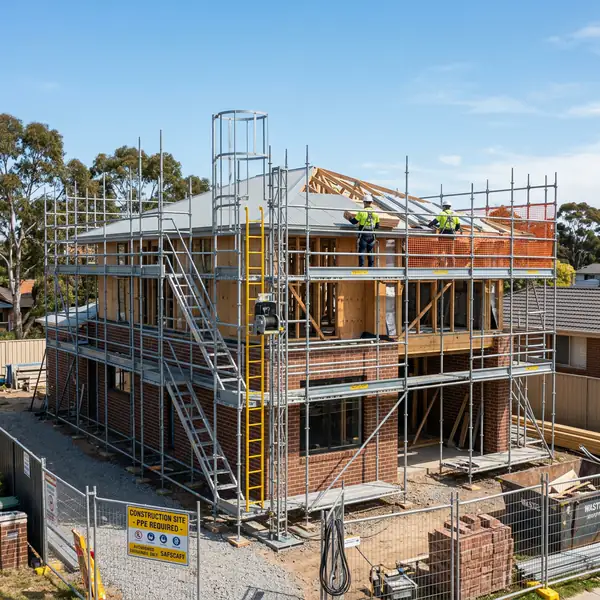
Scaffolding Safety Checklist for Home Renovations in Sydney
Home renovations can be exciting, but once work moves above ground level, safe access becomes a major part of the project.
Whether you're renovating a roof, painting a two-storey home, replacing gutters, extending your house or carrying out major external work, scaffolding can provide tradespeople with a more stable and practical working platform.
But simply having scaffolding on site isn't the whole story.
The property, access areas, scaffold setup and day-to-day use all need to be considered.
If you're planning a renovation in Sydney, this scaffolding safety checklist can help you understand what to consider before and during your project.
Important: This article provides general information only. Specific scaffolding and work-at-height requirements depend on the project, site conditions and applicable NSW requirements. Always use appropriately qualified and competent professionals for scaffolding and work at heights.
1. Start With a Proper Site Assessment
Before scaffolding is installed, the site should be assessed carefully.
Think about:
- Where the scaffolding needs to be positioned
- Ground conditions around the property
- Access for workers and equipment
- Nearby driveways, paths and entrances
- Trees, fences and other structures
- Powerlines and overhead services
- The areas where tradespeople will be working
- The overall scope of the renovation
Every house is different.
A straightforward single-storey renovation may require a very different access arrangement from a two-storey home or a property with restricted access.
This is why discussing the project with your scaffolding provider before installation is important.
For larger or more complex projects, proper planning can help avoid having to modify the setup later.
2. Make Sure the Scaffold Is Suitable for the Work
Scaffolding should be appropriate for the type of work being carried out.
For example, a project involving:
- Roof repairs
- Roof replacement
- Painting
- Brickwork
- Rendering
- Gutter replacement
- External renovations
may require different access arrangements.
The scaffold should be planned around the actual work rather than simply choosing the cheapest or quickest option.
For homeowners, one of the most useful questions to ask is:
"Will this scaffolding provide the access my tradespeople actually need?"
A good scaffolding provider should be able to discuss the requirements of the project and recommend an appropriate solution.
If you're comparing providers, our guide on choosing the right scaffolding company in Western Sydney can also help you understand what to look for.
3. Check Safe Access to Working Areas
A scaffold isn't very useful if workers cannot safely access the areas where they need to work.
Before work begins, consider:
- How workers will access the scaffold
- Whether access routes are clear
- Whether platforms are suitable for the intended work
- Whether ladders or access systems are appropriately positioned
- Whether workers can move safely between working levels
Good access planning can make a renovation more efficient while reducing unnecessary movement around the property.
For roof projects in particular, appropriate roof access scaffolding can make a significant difference to how tradespeople reach and work around the roof.
If you're unsure whether scaffolding is appropriate for roof work, see our guide: Do I Need Scaffolding for Roof Repairs in Sydney?
4. Check Edge Protection and Fall Prevention
Fall prevention is one of the most important considerations when people are working at height.
Depending on the project and site conditions, appropriate edge protection may be required to help prevent falls from exposed edges.
This can be particularly relevant around:
- Roof edges
- Elevated platforms
- Open sides
- Construction areas
- Two-storey renovation work
Edge protection should be considered as part of the overall access and safety plan rather than treated as an afterthought.
For more information on regulations, see our guide: Edge Protection Requirements in NSW
You can also learn more about Tri Build's edge protection solutions.
5. Keep Access Areas Clear
Once scaffolding is installed, the surrounding area should be kept as clear as practical.
Avoid allowing:
- Building materials to block access
- Tools to be left where people could trip
- Household items to accumulate around access points
- Waste materials to obstruct walkways
- Unauthorised people to enter work areas
This is particularly important when you're living in the house during a renovation.
If your family is staying at home while work is underway, think about how people will move around the property without entering the construction area.
6. Don't Modify the Scaffolding Yourself
This is one of the most important points for homeowners.
Don't move, remove, alter or add components to scaffolding yourself.
Even a seemingly small change can affect the way a scaffold functions.
If a tradesperson needs a different access arrangement, additional working space or a modification to the existing setup, speak with the scaffolding provider.
It is much better to have the arrangement reviewed professionally than to make an improvised change.
7. Don't Overload Scaffold Platforms
Scaffolding platforms are designed for specific loads.
Homeowners and tradespeople should not assume that a platform can hold unlimited quantities of:
- Bricks
- Tiles
- Roofing materials
- Tools
- Equipment
- Waste
- Other building materials
Materials should be managed according to the requirements of the scaffold and the work being performed.
If your renovation involves significant quantities of materials, discuss this with your scaffolding provider before the work begins.
8. Consider Weather Conditions
Sydney weather can change quickly, and weather conditions can affect construction activities.
Strong winds, heavy rain and storms can create additional risks when people are working at height.
Your renovation team should have appropriate procedures for dealing with changing weather conditions.
If you're unsure whether work should continue during poor weather, follow the advice of the relevant qualified professionals responsible for the site and work activity.
9. Keep Children and Visitors Away From the Work Area
If you're renovating your family home, this is particularly important.
Children can naturally be curious about scaffolding and construction work.
Make sure:
- Children don't climb on scaffolding
- Visitors stay away from work areas
- Access points are controlled
- Tools and materials aren't left where children can reach them
- The construction area is clearly separated from normal household activity
The safest approach is to treat the scaffold and surrounding construction area as a restricted work zone.
Your Home Renovation Scaffolding Safety Checklist
Before your renovation starts, work through this simple checklist:
- Has the property and work area been assessed?
- Is the scaffolding suitable for the renovation work?
- Is safe access available to the required working areas?
- Has edge protection been considered where required?
- Are access paths kept clear?
- Are workers aware of the site arrangements?
- Is scaffolding being used only for its intended purpose?
- Are scaffold components left untouched unless changes are made by the appropriate professionals?
- Are materials stored appropriately?
- Have weather conditions been considered?
- Are children and visitors kept away from the work area?
- Do you know who to contact if the scaffold needs to be changed?
A checklist like this won't replace professional site assessment, but it can help homeowners understand the things that should be considered before work begins.
When Should You Speak to Your Scaffolding Provider?
It's worth contacting your scaffolding provider if:
- The renovation scope changes
- Your tradesperson needs additional access
- The roof work changes
- Materials or equipment requirements change
- You notice damage or an unusual condition
- You believe the scaffold needs modification
- Weather or site conditions have changed significantly
Don't assume that a change is too small to mention.
Good communication between the homeowner, builder, tradespeople and scaffolding provider can help keep the project organised and safe.
Choosing the Right Scaffolding Partner
Scaffolding is an important part of many residential renovation projects.
When choosing a provider, don't look only at price.
Consider their experience, communication, understanding of your project requirements, installation process and ability to provide the access solution your tradespeople actually need.
If you're comparing scaffolding providers, our Choosing the Right Scaffolding Company in Western Sydney guide provides additional points to consider.
Tri Build Projects – Residential Scaffolding in Sydney
At Tri Build Projects, we provide scaffolding and site-access solutions for residential construction and renovation projects across Sydney.
Our services include:
- Residential Scaffolding
- Roof Access Scaffolding
- Edge Protection
- Mobile Scaffold Hire
- Builder & Roofer Access
- Temporary Fence Hire
- Portable Toilet Hire
Whether you're planning a home renovation, roof project or new residential build, the right access solution can make it easier for your tradespeople to work safely and efficiently.
Frequently Asked Questions
Is scaffolding safe for home renovations?
Properly planned and professionally installed scaffolding can provide a stable working platform and access for renovation work. The appropriate setup depends on the project, site and working conditions. Refer to our complete homeowner guide to residential scaffolding for more detailed safety tips.
Do home renovations always require scaffolding?
Not necessarily. The need for scaffolding depends on the type, height and scope of the work and the access arrangements required. A professional assessment can help determine the appropriate solution.
Can I move or modify my scaffolding?
No. Homeowners and other unauthorised people should not modify or remove scaffold components. If changes are required, contact the scaffolding provider.
Is edge protection required for residential renovations?
Edge protection requirements depend on the work and site conditions. For projects involving work at height, the appropriate fall-prevention measures should be considered as part of the safety planning. For more information, read our Edge Protection Requirements in NSW guide.
How do I choose scaffolding for my renovation?
Start by considering the type of work, height, access requirements, site conditions and duration of the project. It's also important to choose an experienced scaffolding provider who understands the requirements of residential projects.
Need professional scaffolding or site access solutions?
Contact Tri Build Projects today for a FREE site inspection and no-obligation quote.